
UniDataPro/multi-material-fingerprint-spoofing
Fingerprint Spoofing The dataset contains over 4,000+ photos from 100 people, consisting of fingerprints images and spoofing attacks created using various spoofing materials such as alginate, plasticine, and silicone. It serves as essential training data for biometric systems focused on fingerprint recognition and spoof detection. By utilizing this dataset, researchers and developers can advance their understanding and capabilities in biometric security and spoof detection… See the full description on the dataset page: https://huggingface.co/datasets/UniDataPro/multi-material-fingerprint-spoofing.
Fingerprint Spoofing
The dataset contains over 4,000+ photos from 100 people, consisting of fingerprints images and spoofing attacks created using various spoofing materials such as alginate, plasticine, and silicone. It serves as essential training data for biometric systems focused on fingerprint recognition and spoof detection.
By utilizing this dataset, researchers and developers can advance their understanding and capabilities in biometric security and spoof detection technologies. - [Get the data](https://unidata.pro/datasets/multi-material-fingerprint-spoofing/?utm_source=huggingface&utm_medium=referral&utm_campaign=multi-material-fingerprint-spoofing)
These spoofing attacks are designed to challenge biometric security measures and improve presentation attack detection techniques.
💵 Buy the Dataset: This is a limited preview of the data. To access the full dataset, please contact us at https://unidata.pro to discuss your requirements and pricing options.
Type of attack
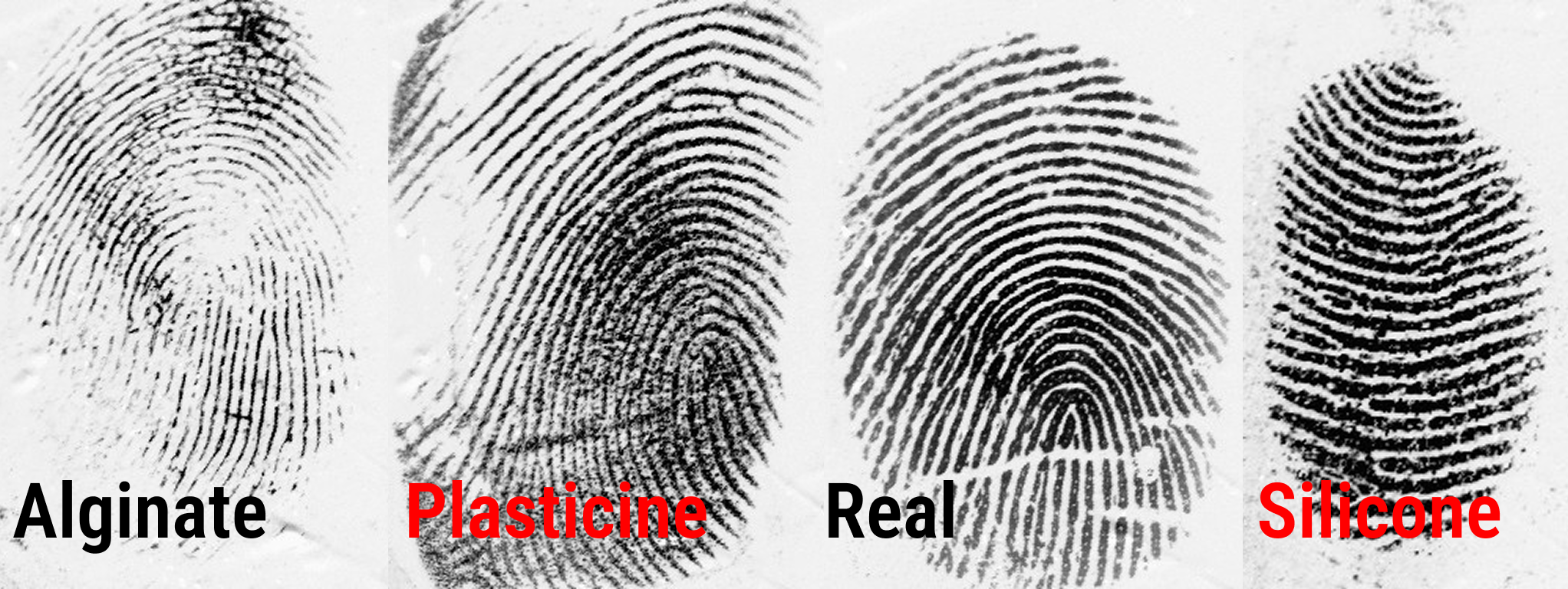
Researchers can utilize this dataset to explore fingerprint identification and fingerprint comparison technologies that aim to prevent impostor attacks and improve biometric authentication processes
Frequently Asked Questions
What types of spoofing attacks are included?
The dataset contains spoof fingerprint samples created using multiple presentation attack materials, including alginate, plasticine, and silicone. These spoof fingerprints simulate common attack scenarios against fingerprint recognition systems.
Who can benefit from this fingerprint dataset?
The dataset is useful for universities, research institutions, biometric hardware manufacturers, cybersecurity companies, authentication platform developers, and AI teams working on secure identity verification.